



Close Menu
Suara BSDKSuara BSDK
  • Beranda
  • Artikel
  • Berita
  • Features
  • Sosok
  • Filsafat
  • Roman
  • Satire
  • Video
  • Liputan Khusus

Subscribe to Updates

Get the latest creative news from FooBar about art, design and business.

What's Hot

Dilmil II-06 Jakarta Tampil Juara I, Turnamen Bola Voli Badilmiltun Teguhkan Sinergitas dan Sportivitas

October 3, 2026

Integritas yang Membumi: Pelajaran Abadi dari Kisah Luqmanul Hakim Bagi Aparatur Peradilan

October 3, 2026

Dekonstruksi Hukum Anak Hasil Zina

October 2, 2026
Instagram YouTube
Suara BSDKSuara BSDK
Deskripsi Gambar
  • Beranda
  • Artikel
  • Berita
  • Features
  • Sosok
  • Filsafat
  • Roman
  • Satire
  • Video
  • Liputan Khusus
Suara BSDKSuara BSDK
Deskripsi Gambar
  • Beranda
  • Artikel
  • Berita
  • Features
  • Sosok
  • Filsafat
  • Roman
  • Satire
  • Video
  • Liputan Khusus
Home » From Adversarial Litigation to Court-Led Problem Solving

From Adversarial Litigation to Court-Led Problem Solving

Cecep MustafaBy Cecep MustafaOctober 2, 2026 · 16:00 WIB11 Mins ReadNo Comments
Share
Facebook Twitter Threads Telegram WhatsApp

One of the most interesting things I have been reflecting on during the discussion of Japanese civil procedure is that judicial reform is rarely a straight line. Japan itself provides a fascinating lesson. Its civil procedure can almost be read as a “history of failures”: the German model of 1890, the Austrian-inspired reform of 1926, the American pre-trial model of 1956, and eventually the development of more flexible Japanese practices before the modern framework emerged. The important lesson is not that those foreign models were necessarily wrong. The lesson is that a legal transplant does not automatically become an institutional practice. A beautiful procedural rule can remain only a beautiful rule if it does not fit the people, culture, organisational structure, incentives, and daily reality of the court.
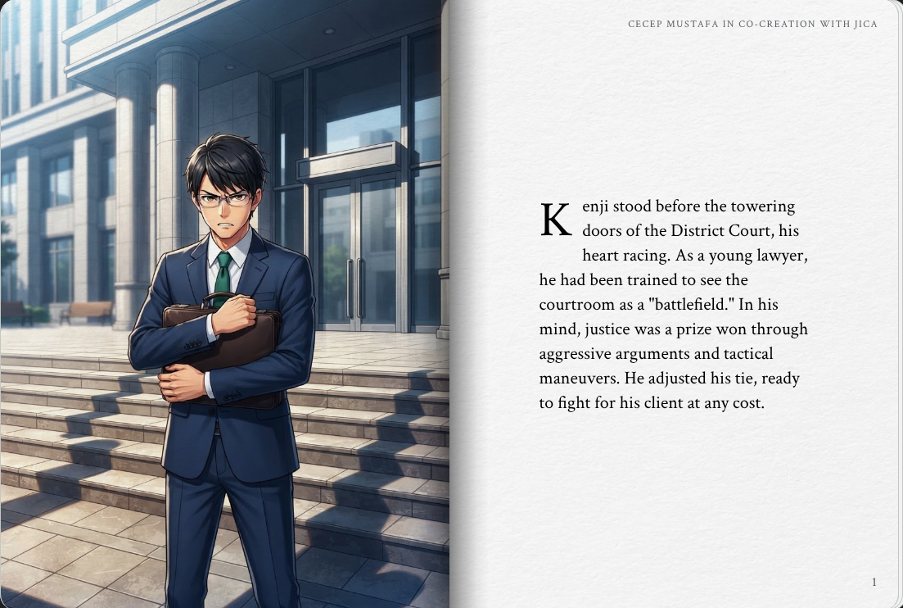
This is where I became particularly interested in the Japanese experience of issue and evidence management. The real transformation was not simply about changing legislation. It was about changing the role of the court. The traditional adversarial model begins with a familiar assumption: the parties own the dispute. The lawyers present their cases, each side attacks the other’s evidence, and the judge eventually decides who is right. There is a certain elegance to this model, but there is also a practical problem. If the parties are left entirely to their own litigation strategies, the court may receive enormous quantities of information without necessarily receiving clarity. More pleadings do not always mean more understanding. More evidence does not always mean better evidence. More hearings do not necessarily mean better justice. Sometimes, quite honestly, the court receives a mountain of documents and still has to ask: “What exactly is the real dispute here?”
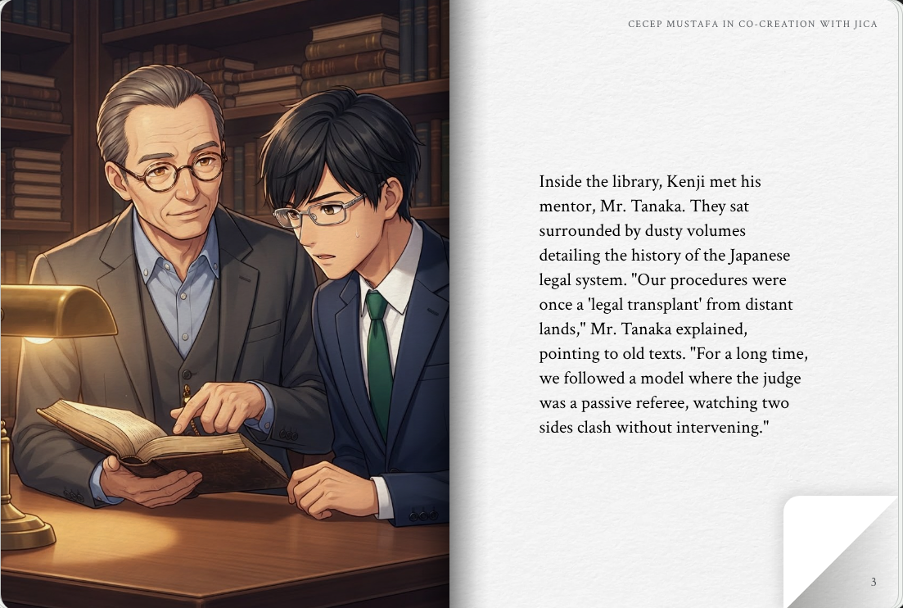
That is where court-led issue management becomes important. The judge begins to do something different, not to become the lawyer for either party and not to abandon impartiality, but to actively structure the dispute so that the parties can identify the real issues, the relevant evidence, and the questions that actually require adjudication. For me, this is a form of judicial activism in procedure. Not activism in the sense of deciding the substantive outcome in advance, but activism in the sense that the court refuses to remain institutionally passive when procedural disorder prevents the court from reaching a fair and efficient resolution. The judge becomes a problem solver. And that is a very different institutional identity.
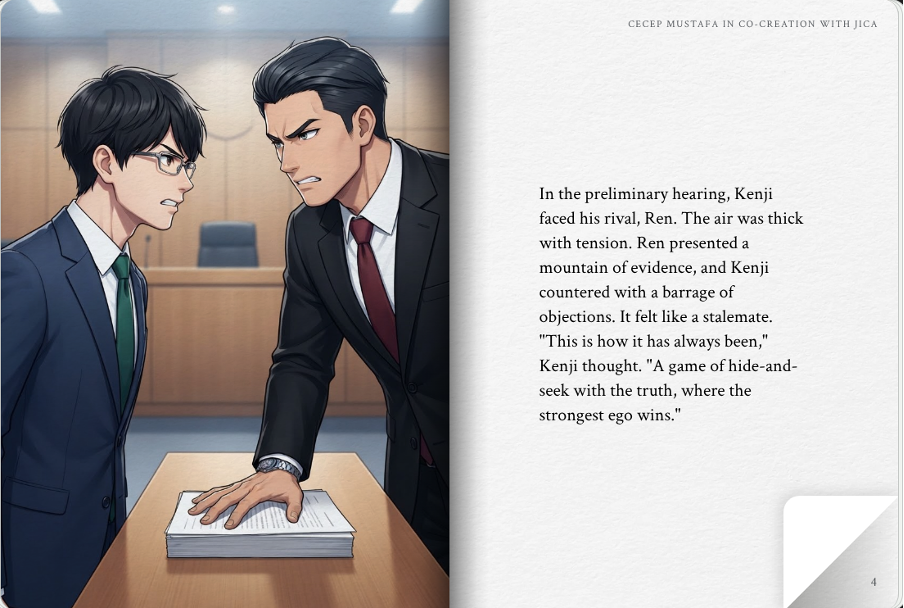
Perhaps the most interesting cultural change is not technological at all. It is relational. In an adversarial culture, the judge and lawyers can sometimes appear to occupy opposite sides of a professional battlefield. The lawyer fights for the client. The opposing lawyer fights back. The judge sits above them and ultimately decides. But effective issue management requires something more subtle. The judge and lawyers still have different roles. They must. The judge must remain independent, and the lawyer must remain loyal to the client. But they can nevertheless become a professional team around the problem, rather than opponents around the institution. The shared objective is not to make the parties agree. It is to make the dispute understandable.
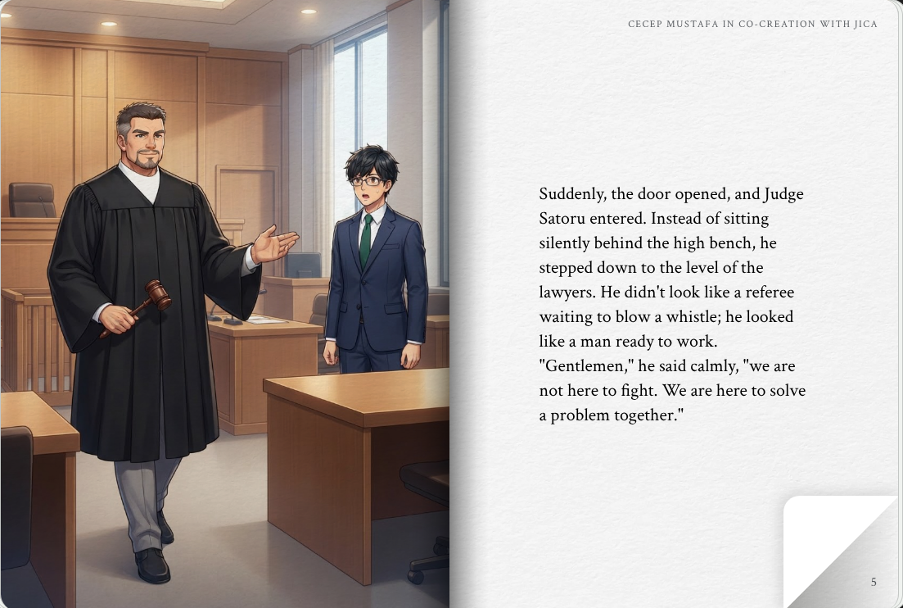
The lawyer can say, “This is our client’s position.” The opposing lawyer can respond, “This is why we disagree.” And the judge can then ask, “Good. But what precisely is the factual issue between you?” That question changes the conversation. Litigation begins to move from argument to diagnosis. And perhaps that is one of the most important contributions of preparatory proceedings.

There is another dimension that is easy to miss if we look only at statutes: trust. A court-led problem-solving model requires a certain level of trust between judges and counsel. If lawyers believe that every question from the judge means that the judge has already decided the case, they will naturally become defensive. If judges believe that every clarification from counsel is merely a tactical attempt to delay the case, they will become equally defensive. The system then returns to the old adversarial psychology: I must protect my side.
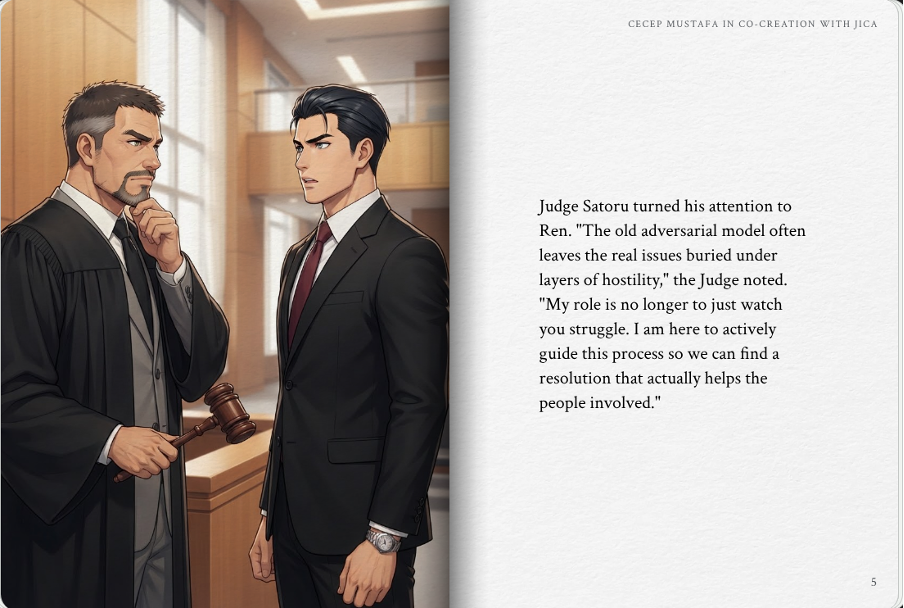
But when the institutional culture becomes more mature, another possibility emerges: We are not on the same side, but we are working on the same problem. That is a subtle distinction, and I think it matters enormously for public confidence in courts. Public trust is not created only by the final judgment. It is also created by whether people believe that the court genuinely understood the dispute. A litigant may lose a case and still accept the legitimacy of the process if the person feels: “The court understood my argument, understood my evidence, and gave me a fair opportunity to be heard.” Conversely, even a legally correct judgment may leave frustration when the parties feel that the court never really understood the problem. So issue management is not merely a case-management technique. It can also become a trust-building mechanism.
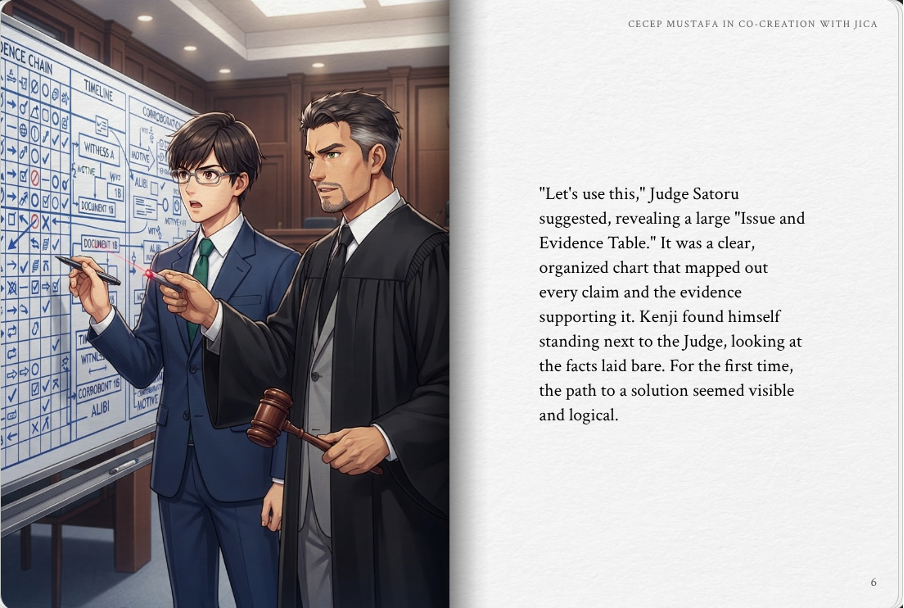
Professor Yamamoto’s presentation made another point particularly valuable to me. Japan did not simply discover the perfect procedural system and then implement it. Quite the opposite. There were repeated attempts. Some failed. Some were abandoned. Some were adapted. Some informal practices emerged before eventually being recognised and incorporated into formal law. The 1956 American-style pre-trial model, for example, experienced difficulties because of institutional separation between the preparation function and the judges responsible for the actual trial. Later developments moved toward a more integrated model. This history tells us something important about judicial reform: failure is not necessarily evidence that reform has failed. Sometimes failure is evidence that the institution has learned something. The real question is whether the system is capable of learning from that failure.

That is why I find the Japanese experience more useful than simply asking, “What Japanese model can Indonesia copy?” I would rather ask: “What did Japan learn when its imported models did not work?” That is a much more productive comparative-law question.

One example is particularly instructive. The earlier framework limited the ability of an assigned associate judge to examine documentary evidence during preparatory proceedings. The concern was understandable: one should not create a premature judicial conviction before the evidence is properly examined in open court. But practice exposed another problem. How can a judge meaningfully organise issues and evidence without actually being able to examine the documentary material relevant to those issues? Eventually, the 2003 reform gave assigned associate judges authority to examine written evidence during preparatory proceedings. To me, this is more than a technical amendment. It illustrates a basic principle of institutional design: authority must follow responsibility. If we ask judges to manage issues, they need access to the information necessary to perform that function. If we ask them to structure evidence, they need lawful authority to examine it. If we expect them to prevent unnecessary litigation, they need procedural tools to do so. Otherwise, we create what I would call responsibility without institutional capacity. And that is a dangerous recipe for formalism.

There is another warning in the Japanese experience. The law may require the results of preparatory proceedings to be formally presented in open court, yet such a requirement can degenerate into a ritual: the judge asks whether the result has been presented, and counsel simply answers yes. The procedure exists. The compliance exists. But the substance may disappear. This is something that should make every judicial reformer uncomfortable. Because the greatest danger in procedural reform is not always resistance. Sometimes it is compliance without transformation. The rule is implemented. The form is completed. The box is checked. And nothing really changes. That is why I am increasingly interested in the difference between legal reform and institutional reform. Legal reform changes the rule. Institutional reform changes behaviour. The first can happen overnight. The second takes culture, incentives, leadership, capacity, and sometimes several generations.
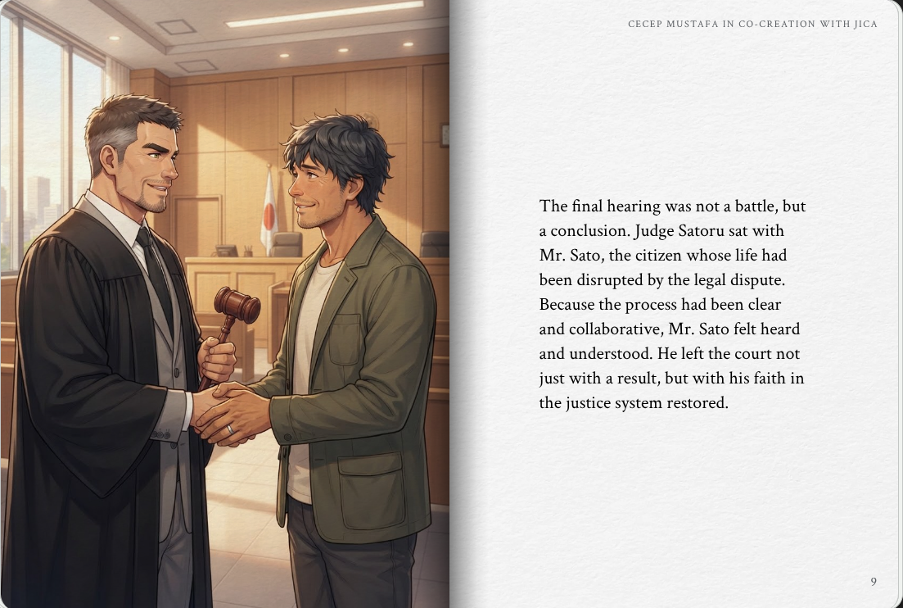
This is why the Issue and Evidence Table is more interesting to me than it might initially appear. At first glance, it is simply a document. But institutionally, it represents something much bigger. The judge and the parties are asking: What facts are actually disputed? What evidence supports each proposition? What remains uncontested? Which issues really require witnesses? Which issues can be resolved through documents? What does the court actually need to decide? This is almost a change in the grammar of litigation. Instead of asking, “How much can I submit?”, the parties begin asking, “What must actually be proved?” That is a profound shift.

And perhaps this is where judicial technology becomes meaningful. Technology should not simply make it possible to file more documents faster. That would merely digitise disorder. The better question is: Can technology help the judge, lawyers, and parties develop a shared map of the dispute? The Japanese use of Teams chat, shared cloud files, online participation, and collaborative issue-and-evidence tables points in this direction. The 2022 revision embedded digital tools into preparatory proceedings, including asynchronous communication between formal hearing dates. That is not merely “going digital.” It is changing the temporal structure of judicial work. The conversation does not necessarily have to stop simply because today’s hearing has ended.

This leads me to a broader question for Indonesia. What if the unit of judicial productivity were not simply the hearing? What if it were the problem solved? The distinction is important. A court can hold seven hearings and still have no clear issue. Conversely, a well-managed preparatory process may resolve the central factual and legal questions before the formal trial becomes unnecessarily long. The empirical figures presented by Professor Yamamoto are therefore particularly thought-provoking: formal issue management was reported at 41%, with an average of 7.3 hearing sessions and preparation consuming approximately 70–80% of total trial duration. Individual preparatory sessions could be as short as 5–15 minutes. These numbers should not simply be celebrated as Japanese efficiency. They should make us ask a harder question: Are we measuring judicial work by activity, or by value? A hearing is an activity. Clarifying an issue is value. A document filed is an activity. Eliminating an unnecessary dispute is value. A judgment delivered is an activity. A dispute that society can finally move beyond is value.

I would therefore be cautious about simply transplanting Japanese procedural mechanisms into Indonesia. Indonesia should not copy Japan. Indonesia should learn from Japan. The difference is important. Our institutional history is different. Our court structure is different. Our legal culture is different. Our geography is different. Our professional incentives are different. But the underlying questions are universal. Can judges be given sufficient authority to manage issues and evidence? Can lawyers and judges develop sufficient professional trust to communicate candidly? Can technology support continuous clarification rather than merely electronic filing? Can we prevent pre-trial procedure from becoming another layer of formalism? Can the court move from being merely a referee between competing narratives toward becoming an institution capable of helping society solve disputes?

And perhaps the most important question is this: Can we build a judicial culture in which the judge and the lawyer remain independent in role, but become collaborative in solving the procedural problem? That does not mean eliminating the adversarial system. It means maturing it. The parties still advocate. The lawyers still protect their clients. The judge still decides independently. But somewhere between those three functions there can be a shared professional commitment: to identify the real dispute and resolve it fairly.

Perhaps this is why the connection between Chōtei, preparatory proceedings, judicial leadership, and public trust is so important. A court-led problem-solving approach does not make the judge less judicial. It may actually make judicial responsibility more visible. The judge is not simply waiting for the lawyers to finish fighting. The judge is asking: What is the real problem? What evidence actually matters? What can be agreed? What remains genuinely contested? What does society need the court to decide?

This is not a departure from justice. It may be one of its more mature forms. Because ultimately, people do not come to court because they enjoy the procedure. They come because something in their lives has become impossible to resolve by themselves. The court therefore has a choice. It can become another battlefield. Or it can become a place where the battlefield is gradually transformed into a structured conversation.
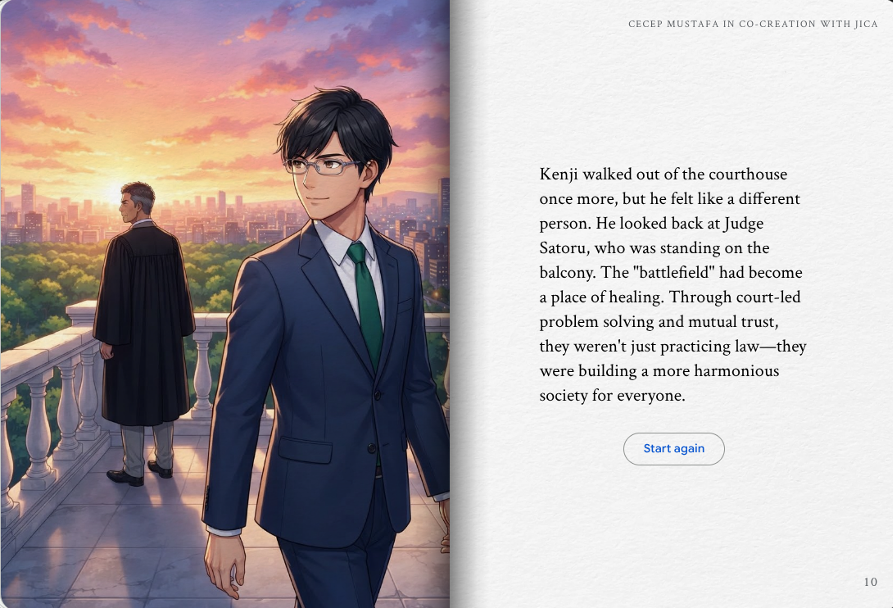
For me, that is the deeper lesson I take from the Japanese experience. The future of civil justice may not be adversarial versus non-adversarial. It may be about moving from adversarial confrontation toward professional collaboration without sacrificing judicial independence. The judge does not become the lawyer. The lawyer does not become the judge. But both can become part of a more intelligent institutional process.

Perhaps the ultimate transformation is therefore not technological. It is cultural. From “my case versus your case” toward “what is the problem we need the court to solve?”

And when that transformation happens, the court may begin to earn something more valuable than procedural efficiency.

It may begin to earn trust.

Not because everyone wins.

But because people believe that the institution genuinely tried to understand the problem before deciding it.
Cecep Mustafa
Kontributor
Cecep Mustafa
Hakim Yustisial Badan Strajak Diklat Kumdil

Untuk Mendapatkan Berita Terbaru Suara BSDK, Follow Channel WhatsApp: SUARABSDKMARI

court japan javanese civil prosedure judges
Share. Facebook Twitter Threads Telegram WhatsApp Copy Link

Related Posts

Integritas yang Membumi: Pelajaran Abadi dari Kisah Luqmanul Hakim Bagi Aparatur Peradilan

October 3, 2026

Dekonstruksi Hukum Anak Hasil Zina

October 2, 2026

Inovasi di Bawah Bayang-bayang Hukum: Belajar dari Sengketa Apple VS. Samsung

October 2, 2026
Leave A Reply Cancel Reply


Demo
Top Posts

Di mana Kesaktian Pancasila Diuji?

October 1, 2026

Senja di Losari dengan Secangkir Saraba dan Sepiring Pisang Epe

September 16, 2026

Siasat Tiada Henti Penjaga Keadilan

September 13, 20261,508 Views

Titah Leviathan

September 11, 2026
Don't Miss

Dilmil II-06 Jakarta Tampil Juara I, Turnamen Bola Voli Badilmiltun Teguhkan Sinergitas dan Sportivitas

By Ahmad JunaediOctober 3, 20260

Setelah berlangsung sejak pagi hingga malam hari dengan persaingan yang berlangsung sengit, Turnamen Bola Voli…

Integritas yang Membumi: Pelajaran Abadi dari Kisah Luqmanul Hakim Bagi Aparatur Peradilan

October 3, 2026

Dekonstruksi Hukum Anak Hasil Zina

October 2, 2026

PTUN Pekanbaru Gelar Diskusi “Dinamika Pengaturan Keuangan Negara dalam Pengelolaan BUMN”

October 2, 2026
Stay In Touch
  • YouTube
  • TikTok
  • WhatsApp
  • Twitter
  • Instagram
Top Trending
Demo

Recent Posts

  • Dilmil II-06 Jakarta Tampil Juara I, Turnamen Bola Voli Badilmiltun Teguhkan Sinergitas dan Sportivitas
  • Integritas yang Membumi: Pelajaran Abadi dari Kisah Luqmanul Hakim Bagi Aparatur Peradilan
  • Dekonstruksi Hukum Anak Hasil Zina
  • PTUN Pekanbaru Gelar Diskusi “Dinamika Pengaturan Keuangan Negara dalam Pengelolaan BUMN”
  • Tiga Tahun Berkiprah, BPHPI Refleksikan Perjalanan dan Tantangan Hakim Perempuan di Era Digital

Recent Comments

  1. Anton Yikwa on Penganugerahan Lomba Layanan Pengadilan Tahun 2026: Membangun Budaya Kinerja dan Pelayanan Prima di Lingkungan Peradilan Militer dan Tata Usaha Negara
  2. Syihabuddin on Sebuah Ulasan atas Film ‘Ghost In The Cell’
  3. Tomas on Sebuah Ulasan atas Film ‘Ghost In The Cell’
  4. Nancy on “Spionase Bayangan” Mengupas dibalik Profiling Integritas dan Mystery Shopper Mahkamah Agung
  5. Yeheskel Haurissa on Ketika Pekerja Meninggal, Mengapa Ahli Waris Harus Menggugat?
Hubungi Kami

Badan Strategi Kebijakan dan Pendidikan dan Pelatihan Hukum dan Peradilan Hukum dan Peradilan
Mahkamah Agung RI

Kantor: Jl. Cikopo Selatan Desa Sukamaju, Kec. Megamendung
Bogor, Jawa Barat 16770

Kirimkan reportase berita, opini, features dan artikel lainnya ke email suarabsdk.com : 
redpelsuarabsdk@gmail.com

Telepon: (0251) 8249520, 8249522, 8249531, 8249539

Kategori
Beranda Artikel Berita Features Sosok KRITERIA TULISAN
Filsafat Roman Satire Video BALACADAS
Connect With Us
  • Instagram
  • YouTube
  • WhatsApp
Aplikasi Internal
Logo 1 Logo 2 Logo 3 Logo 3 Logo 5
Logo 4 Logo 4 Logo 4 Logo 5 Logo 5 Logo 5
Kontributor
  • Avatar photo Ahmad Junaedi
  • Avatar photo Mohammad Khairul Muqorobin
  • Avatar photo Aman
  • Avatar photo Irvan Mawardi
  • Avatar photo Cecep Mustafa
  • Avatar photo Khoiruddin Hasibuan
  • Avatar photo Ari Gunawan
  • Avatar photo Yudhistira Ary Prabowo
  • Avatar photo Muamar Azmar Mahmud Farig
  • Avatar photo Syailendra Anantya Prawira
  • Avatar photo Ghesa Agnanto Hutomo
  • Avatar photo Muhammad Rizqi Hengki
  • Avatar photo Agus Digdo Nugroho
  • Avatar photo Timbul Bonardo Siahaan
  • Avatar photo Dahlan Suherlan
  • Avatar photo Muhammad Adiguna Bimasakti
  • Avatar photo Syamsul Arief
  • Avatar photo Johanes
  • Avatar photo Jatmiko Wirawan
  • Avatar photo Cik Basir
  • Avatar photo Taufikurrahman
  • Avatar photo Syihabuddin
  • Avatar photo Zulfahmi
  • Avatar photo Maria Fransiska Walintukan
  • Avatar photo Unggul Senoaji
  • Avatar photo Anton Ahmad Sogiri
  • Avatar photo M. Natsir Asnawi
  • Avatar photo Yoshito Siburian
  • Avatar photo Abdi Munawar Daeng Mangagang
  • Avatar photo Adji Prakoso
  • Avatar photo Sriti Hesti Astiti
  • Avatar photo Iqbal Lazuardi
  • Avatar photo Galang Adhe Sukma
  • Avatar photo Harun Maulana
  • Avatar photo Layla Windy Puspita Sari
  • Avatar photo Muhammad Hanif Ramadhan
  • Avatar photo Ahmad Syahrus Sikti
  • Avatar photo Anisa Yustikaningtiyas
  • Avatar photo I Gusti Lanang Ngurah Sidemen Putra
  • Avatar photo Binsar Parlindungan Tampubolon
  • Avatar photo Bintoro Wisnu Prasojo
  • Avatar photo Eliyas Eko Setyo
  • Avatar photo Firzi Ramadhan
  • Avatar photo Ganjar Prima Anggara
  • Avatar photo Jarkasih
  • Avatar photo Sudiyo
  • Avatar photo Febby Fajrurrahman
  • Avatar photo Garin Purna Sanjaya
  • Avatar photo Itsnaatul Lathifah
  • Avatar photo Marulam J Sembiring
  • Avatar photo Tri Indroyono
  • Avatar photo Letkol Chk Agustono, S.H., M.H.
  • Avatar photo Ardiansyah Iksaniyah Putra
  • Avatar photo Buang Yusuf
  • Avatar photo Ferdian Permadi
  • Avatar photo Irene Cristna Silalahi
  • Avatar photo Marsudin Nainggolan
  • Avatar photo Maulana Aulia
  • Avatar photo Riki Perdana Raya Waruwu
  • Avatar photo Siti Nadhiroh
  • Avatar photo Dr. Syofyan Iskandar, S.H., M.H.
  • Avatar photo Muhamad Zaky Albana
  • Avatar photo Afifah Dwiandini
  • Avatar photo Henri Setiawan
  • Avatar photo Khoiriyah Roihan
  • Avatar photo Redaktur SuaraBSDK
  • Avatar photo Yasin Prasetia
  • Avatar photo Audrey Kartika Putri
  • Avatar photo Eddy Daulatta Sembiring
  • Avatar photo Fauzan Prasetya
  • Avatar photo Fitriyel Hanif
  • Avatar photo Gerry Michael Purba
  • Avatar photo Irwan Rosady
  • Avatar photo K.G. Raegen
  • Avatar photo Rafi Muhammad Ave
  • Avatar photo Rangga Lukita Desnata
  • Avatar photo Rikatama Budiyantie
  • Avatar photo Sugiarto
  • Avatar photo Teguh Setiyawan
  • Avatar photo Abdul Azis Ali Ramdlani
  • Avatar photo Achmad Fikri Oslami
  • Avatar photo Ahmad Fuad Noor Ghufron
  • Avatar photo Achmad Nurul Huda
  • Avatar photo Andro Riski Pradipta
  • Avatar photo Anggi Permana
  • Avatar photo Ang Rijal Amin
  • Avatar photo Armansyah
  • Avatar photo Cok Istri Bhagawanthi Pemayun
  • Avatar photo Dedi Putra
  • Avatar photo Dewi Maharati
  • Avatar photo Herjuna Praba Wiesesa
  • Avatar photo Hermanto
  • Avatar photo Indarka PP
  • Avatar photo Muhamad Fadillah
  • Avatar photo Nugraha Medica Prakasa
  • Avatar photo Ria Marsella
  • Avatar photo Sadana
  • Avatar photo Sahram
  • Avatar photo Saut Erwin Hartono A. Munthe
  • Avatar photo Silveria Supanti
  • Avatar photo Yusuf Sodhiqin
  • Avatar photo Achmad Pratomo
  • Avatar photo Agenda Citra Muhammad
  • Avatar photo Ahmad Faiz Shobir Alfikri
  • Avatar photo Arie Fitriansyah
  • Avatar photo Bismo Jiwo Agung
  • Avatar photo David Pasaribu
  • Avatar photo Epri Wahyudi
  • Avatar photo Fajar Widodo
  • Avatar photo Fariz Prasetyo Aji
  • Avatar photo Fauzan Arrasyid
  • Avatar photo Fauzia Rohmah
  • Avatar photo Febry Indra Gunawan Sitorus
  • Avatar photo Gerry Geovant Supranata Kaban
  • Avatar photo Mardi Candra
  • Avatar photo Muhammad Irfan Syahputra
  • Avatar photo Muhammad Amin Putra
  • Avatar photo Niko Wijaya
  • Avatar photo Putra Nova A.S
  • Avatar photo Raden Heru Wibowo Sukaten
  • Avatar photo Rizal Arif Fitria
  • Avatar photo Trisoko Sugeng Sulistyo
  • Avatar photo Umar Dani
  • Avatar photo Wahyu Budi Santoso
  • Avatar photo Abdul Hadi
  • Avatar photo Abiandri Fikri Akbar
  • Avatar photo Abi Zaky Azizi
  • Avatar photo Dr. H. Achmad Setyo Pudjoharsoyo., SH., M.Hum
  • Avatar photo Adimas Leo Firmansah
  • Avatar photo Andi Akram
  • Avatar photo Arsyawal
  • Avatar photo Ashhab Triono
  • Avatar photo Aulia Rochmani Lazuardi
  • Avatar photo Bagus Partha Wijaya
  • Avatar photo Bagus Sujatmiko
  • Avatar photo Bayu Akbar Wicaksono
  • Avatar photo Chandra Khoirunnas
  • Avatar photo Cuhandi
  • Avatar photo Deka Rachman Budihanto
  • Avatar photo Dendi Sutiyoso
  • Avatar photo Dharma Setiawan Negara
  • Avatar photo Dhea Sutaryana
  • Avatar photo Edi Hudiata
  • Avatar photo Enrico Simanjuntak
  • Avatar photo Fauziah Rahmah
  • Avatar photo Fery Rochmad Ramadhan
  • Avatar photo Hartanto Ariesyandi
  • Avatar photo Idik Saeful Bahri
  • Avatar photo Karell Mawla Ibnu Kamali
  • Avatar photo Khalilurrahman
  • Avatar photo Khoirul Anwar
  • Avatar photo Mentari Wahyudihati
  • Avatar photo Misbah
  • Avatar photo Muhamad Ridwan
  • Avatar photo Muhamad Iqbal
  • Avatar photo Muhammad Zuchri Nasuha Lubis
  • Avatar photo Nia Chasanah
  • Avatar photo Novritsar Hasintongan Pakpahan
  • Avatar photo Nugraha Wisnu Wijaya
  • Avatar photo Raden Anggara Kurniawan
  • Avatar photo Rahimulhuda Rizki Alwi
  • Avatar photo Rahmad Ramadhan Hasibuan
  • Avatar photo Ranggi Adiwangsa Yusron
  • Avatar photo Muhammad Rijaldy Alwy
  • Avatar photo Rohim
  • Avatar photo Samsul Zakaria
  • Avatar photo Satria Perdana
  • Avatar photo Siti Anis
  • Avatar photo Tri Cahya Indra Permana
  • Avatar photo Wilmar Ibni Rusydan
  • Avatar photo Yudhi Reksa Perdana
  • Avatar photo Abdul Ghani
  • Avatar photo Ach. Jufri
  • Avatar photo Achmad Cholil
  • Avatar photo Afif Muchshon
  • Avatar photo Agus Suharsono
  • Avatar photo Ahmad Efendi
  • Avatar photo Ahmad Hodri
  • Avatar photo Ahmad Rizza Habibi
  • Avatar photo Aidil Akbar
  • Avatar photo Alep Priyoambodo
  • Avatar photo Alfajar Nugraha
  • Avatar photo Andi Amirah Humairah Ya'kub
  • Avatar photo Anderson Peruzzi Simanjuntak
  • Avatar photo Andhika Prayoga
  • Avatar photo Andi Muhammad Galib
  • Avatar photo Andi Aswandi Tashar
  • Avatar photo Andrie Gunawan
  • Avatar photo Anggiyansyah Nurmanta
  • Avatar photo Anna Yulina
  • Avatar photo Annisa Nur Alam
  • Avatar photo Arga Febrian
  • Avatar photo Arief Sapto Nugroho
  • Avatar photo Mayor Chk Arif Dwi Prasetyo
  • Avatar photo Aryaniek Andayani
  • Avatar photo Bella Puspitawati
  • Avatar photo Bellina Gamelia Sembiring Kembaren
  • Avatar photo Bilma Diffika
  • Avatar photo Bony Daniel
  • Avatar photo Budi Hermanto
  • Avatar photo Budi Suhariyanto
  • Avatar photo Chandra
  • Avatar photo Christopher Hutapea
  • Avatar photo Daniel H. Napitupulu
  • Avatar photo Daniel Saputra
  • Dedi Wigandi
  • Avatar photo Djoni Witanto
  • Avatar photo Effendi Mukhtar
  • Avatar photo Egia Rasido Tarigan
  • Avatar photo Eka Sentausa
  • Avatar photo Enos Syahputra Sipahutar, S.H., M.H.
  • Avatar photo Dr. Fahmiron
  • Avatar photo Fahri Bachmid
  • Avatar photo Fahri Gunawan Siagian
  • Avatar photo Fahri Soleh
  • Avatar photo Fakhir Tashin Baaj
  • Avatar photo Farhan Al Faris
  • Avatar photo Fatkul Mujib, S.H.I., M.H.
  • Avatar photo Dr. Fauziati, S.Ag., M.Ag
  • Avatar photo Febriansyah Rozarius
  • Avatar photo Friska Ariesta Aritedi
  • Avatar photo Gineng Pratidina
  • Avatar photo Hanry Ichfan Adityo
  • Avatar photo Peltu Hartono
  • Avatar photo Hastuti
  • Avatar photo Hendro Yatmoko
  • Avatar photo Ibnu Abas Ali
  • Avatar photo Ida Masnita Sigalingging
  • Avatar photo I Made Sukadana
  • Indra Tua Hasangapon Harahap
  • Avatar photo Ira Soniawati
  • Avatar photo Irfan Dibar
  • Avatar photo Muhammad Irfansyah
  • Avatar photo Letkol Kum Irwan Tasri, S.H., M.H., M.Han.
  • Avatar photo Iwan Lamganda Manalu
  • Avatar photo Jerymia Seky Tanaem
  • Avatar photo Jimmy Maruli Alfian
  • Avatar photo Jusran Ipandi
  • Avatar photo Khaimi
  • Avatar photo Khoerul Umam
  • Avatar photo Linora Rohayu
  • Avatar photo Made Passek Reza Swandira
  • Avatar photo Marta Satria Putra
  • Avatar photo Marwan Ibrahim Piinga
  • Avatar photo Marwanto
  • Avatar photo Marzha Tweedo Dikky Paraanugrah
  • Avatar photo Maulia Martwenty Ine
  • Avatar photo Mira Maulidar
  • Avatar photo Misbahul Anwar
  • Avatar photo Muhamad Ilham Azizul Haq
  • Avatar photo Muhamad Saptari
  • Avatar photo Muhammad Fadllullah
  • Avatar photo Muhammad Muhyi Arrasyid, S.Psi.
  • Avatar photo Muhammad Bagus Tri Prasetyo
  • Avatar photo Muhammad Yusuf
  • Avatar photo Murdian
  • Avatar photo Nadia Yurisa Adila
  • Avatar photo Nisrina Irbah Sati
  • Avatar photo Letkol CHK Nur Sakdi, S.H, M.H.
  • Avatar photo Nur Latifah Hanum
  • Avatar photo Pandu Pradana Wicaksono, S.H.
  • Avatar photo Piput Milandsari
  • Avatar photo Pita Permatasari
  • Avatar photo H .A.S Pudjoharsoyo
  • Avatar photo Putri Pebrianti
  • Avatar photo R. Deddy Harryanto
  • Avatar photo Radityo Muhammad Harseno
  • Avatar photo Rahmi Fattah
  • Avatar photo Randy Viyatadhika
  • Avatar photo Ratih Gumilang
  • Avatar photo Reindra Jasper H. Sinaga, S.H. Hakim Pengadilan Negeri Tanjung Balai Karimun
  • Avatar photo Muh Ridha Hakim
  • Avatar photo Rifqi Qowiyul Iman
  • Avatar photo Rizal Abdurrahman
  • Avatar photo Penulis adalah Filsuf - Analis Politik dan Kebangsaan
  • Avatar photo Romi Hardhika
  • Avatar photo Rudi Hartoyo
  • Avatar photo Sandro Imanuel Sijabat
  • Avatar photo Sbong Sinarok Martin, S.H., M.H.
  • Avatar photo Selexta Apriliani
  • Avatar photo Septia Putri Riko
  • Avatar photo Septriono Situmorang
  • Avatar photo Slamet Turhamun
  • Avatar photo Sobandi
  • Avatar photo Sri Nurmina Sari
  • Avatar photo Stefanus Dwi Putra Medisa
  • Avatar photo Subiyatno
  • Avatar photo Sugiri Wiryandono
  • Avatar photo Teddy Lahati
  • Avatar photo Tri Baginda Kaisar Abdul Gafur
  • Avatar photo Urif Syarifudin
  • Avatar photo Wanda Rara Farezha,S.H.
  • Avatar photo Wienda Kresnantyo
  • Avatar photo Willsa Suharyadi
  • Avatar photo Wiwid Ariyanto
  • Avatar photo Yoshelsa Wardhana
  • Avatar photo Yukiatiqa Afifah
  • Avatar photo Muhammad Yunus Tazryan
  • Avatar photo Marsekal Muda TNI Dr. Yuwono Agung Nugroho, S.H., M.H.
  • Avatar photo Zidny Taqiyya
Lihat semua kontributor →

Type above and press Enter to search. Press Esc to cancel.