


Close Menu
Suara BSDKSuara BSDK
  • Beranda
  • Artikel
  • Berita
  • Features
  • Sosok
  • Filsafat
  • Roman
  • Satire
  • Video
  • Liputan Khusus

Subscribe to Updates

Get the latest creative news from FooBar about art, design and business.

What's Hot

Hakim Wasmat PN Pulang Pisau Sambangi Rutan Kuala Kapuas, Libatkan Lintas Institusi

October 16, 2026

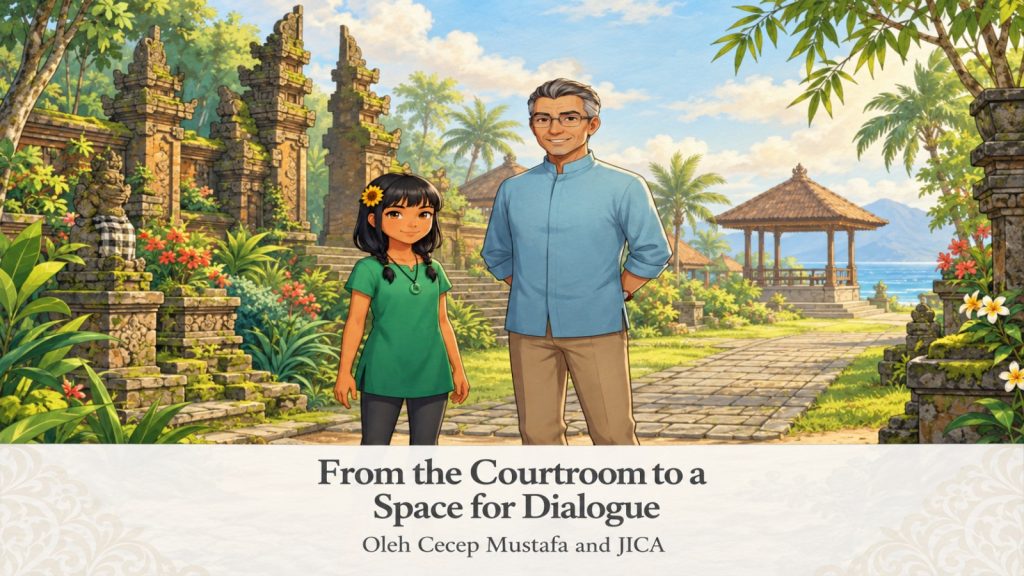
From the Courtroom to a Space for Dialogue

October 16, 2026 · 17:00 WIB

Pelatihan Juru Bicara Pengadilan Ditutup: 40 Orang Juru Bicara Pengadilan Berkompeten Siap Menjadi “Boundary Spanner” untuk Pengadilan dan Publik

October 16, 2026
Instagram YouTube
Suara BSDKSuara BSDK
Deskripsi Gambar
  • Beranda
  • Artikel
  • Berita
  • Features
  • Sosok
  • Filsafat
  • Roman
  • Satire
  • Video
  • Liputan Khusus
Suara BSDKSuara BSDK
Deskripsi Gambar
  • Beranda
  • Artikel
  • Berita
  • Features
  • Sosok
  • Filsafat
  • Roman
  • Satire
  • Video
  • Liputan Khusus
Home » From the Courtroom to a Space for Dialogue

From the Courtroom to a Space for Dialogue

Cecep MustafaBy Cecep MustafaOctober 16, 2026 · 17:00 WIB8 Mins ReadNo Comments
Share
Facebook Twitter Threads Telegram WhatsApp

What I find most interesting about Japan’s approach to dispute resolution is not simply how cases are decided, but how disputes are given an opportunity to be resolved before a judgment becomes the only available path.

In the Chōtei process, I observed that judges and lay judges do not always have to appear as figures standing above the parties. They can instead become facilitators who help the parties rediscover a space in which they can speak to one another. Dispute resolution, in this sense, is not merely a question of determining who is right and who is wrong. It is also about asking how social relationships can be preserved after conflict has occurred.

There is something simple about this, yet perhaps precisely because it is so simple, we often forget it: people who come to court do not bring documents alone. They bring disappointment, a sense of having been wronged or misunderstood, economic interests, and sometimes relationships that have been built over many years. When social conflict is too quickly transformed into a purely legal battle, the process can sometimes take us further away from resolution rather than closer to it.

My experience of observing Chōtei made me look at international arbitration and mediation from a somewhat different perspective.

When Place Helps People Make Peace

In international arbitration and mediation, the location is not always merely a backdrop. Legal practitioners and mediators based in Hawaii, for example, often find that parties are willing to travel there for mediation. A more relaxed atmosphere, away from the routines of the office and the tensions of business relationships, may create a different psychological space for dialogue.
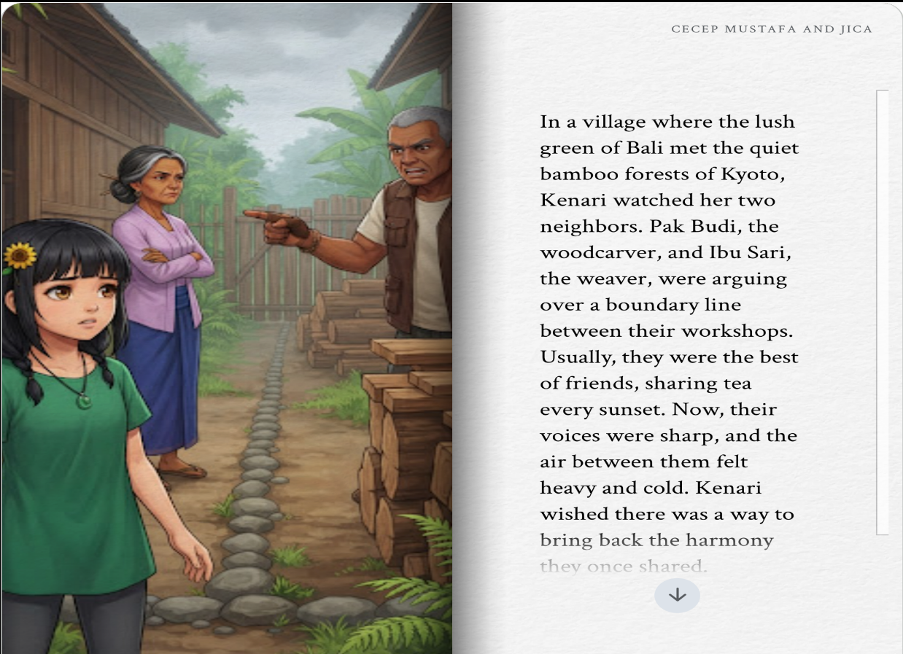
Of course, we cannot say that a beach automatically makes people more willing to settle. A major commercial dispute remains a major commercial dispute, even when the mediation table overlooks the ocean.

Yet the phenomenon is interesting because it reminds us that the social and physical environment can influence legal behavior.

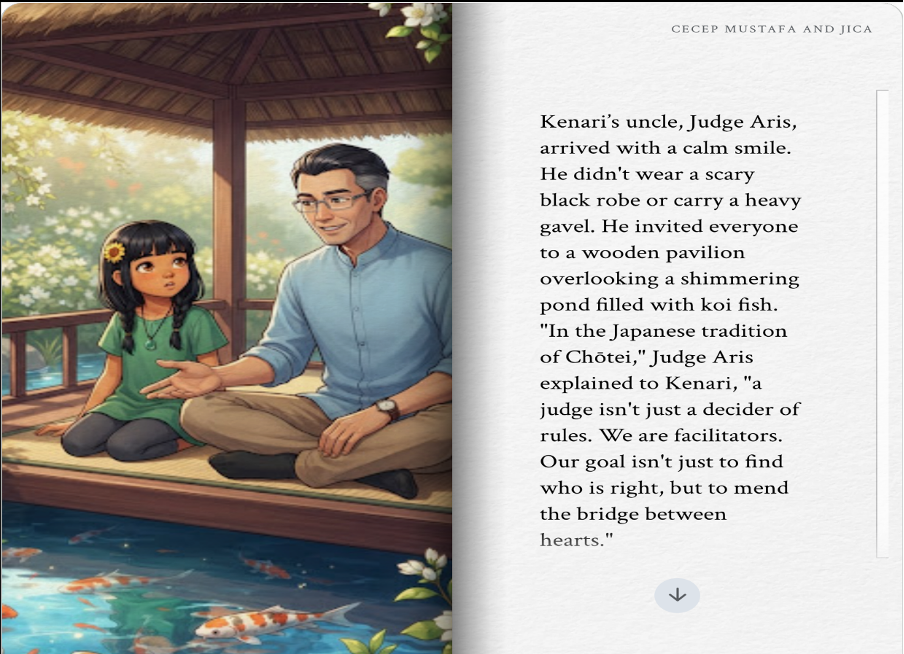
Something similar can be observed in places such as California and Kyoto. In Kyoto, the Chōtei process suggests that a dispute-resolution space can be designed not merely to bring competing arguments together, but also to allow communication to take place in a more humane way.

This raises an interesting question for Indonesia: does the character of the court environment influence the success of mediation?

Indonesia has Bali, Lombok, Ambon, and many other coastal regions. This certainly does not mean that courts should be moved to the beach in order to make mediation successful. But perhaps we should begin to examine whether the design of the room, the atmosphere, accessibility for the parties, and the surrounding environment have any relationship with mediation outcomes.
Perhaps we have spent too much time discussing procedural law and too little time thinking about the human beings who have to live through that procedure.

Judges, Arbitrators, and the Boundaries of Neutrality

Differences between legal traditions offer another important lesson.

In the Anglo-American tradition, mediators or adjudicators may sometimes operate within a more adversarial framework. In some settings, a mediator may appear almost like a decision-maker, while in others the mediator may be extremely cautious, limiting the role to summarizing what the parties themselves have presented.

The Civil Law tradition presents a somewhat different dilemma. What happens when an arbitrator identifies a legal issue that is clearly relevant but has not been adequately addressed by the parties?

Baca Juga  When Innovation from the Courtroom Becomes Law

This is where the tension between neutrality and the quality of adjudication becomes visible.
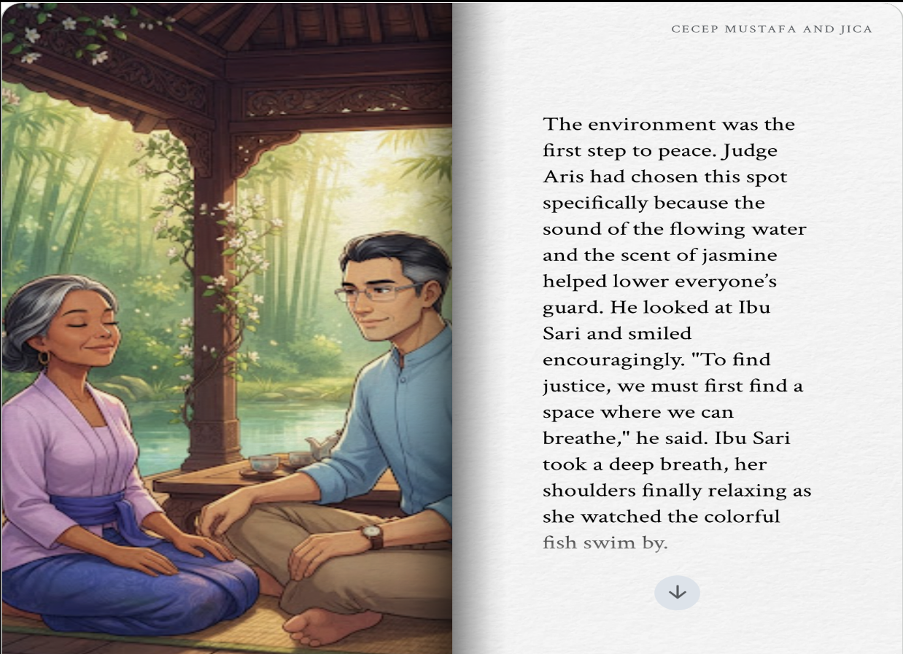
An arbitrator should not become an adviser to one of the parties. But neutrality does not necessarily mean passivity. Within the limits permitted by procedural rules, an arbitrator may seek clarification or encourage the parties to provide additional evidence so that a relevant issue can be examined properly.

The Japanese experience of Wakai and Chōtei offers an interesting perspective here. Public trust in judges allows dispute resolution to derive legitimacy from something more than the formal authority to decide. Judges can earn trust precisely because the parties see that the purpose of the process is not simply to produce a winner and a loser, but to search for a resolution that the parties can accept.

This is where I see an important distinction between authority and trust.

Authority can be conferred by law.

Trust cannot be conferred by an article of legislation.

Trust must be built through institutional behavior, the quality of communication, consistency of procedure, and people’s experiences when they encounter the court.

Arbitration: When Finality Must Be Matched by Procedural Certainty

The Japanese approach to arbitration also offers an important lesson about the relationship between finality and judicial supervision.

In principle, the enforcement of an arbitral award operates through a simpler mechanism than the enforcement of a foreign court judgment, which may require recognition or a separate proceeding before a Japanese court.
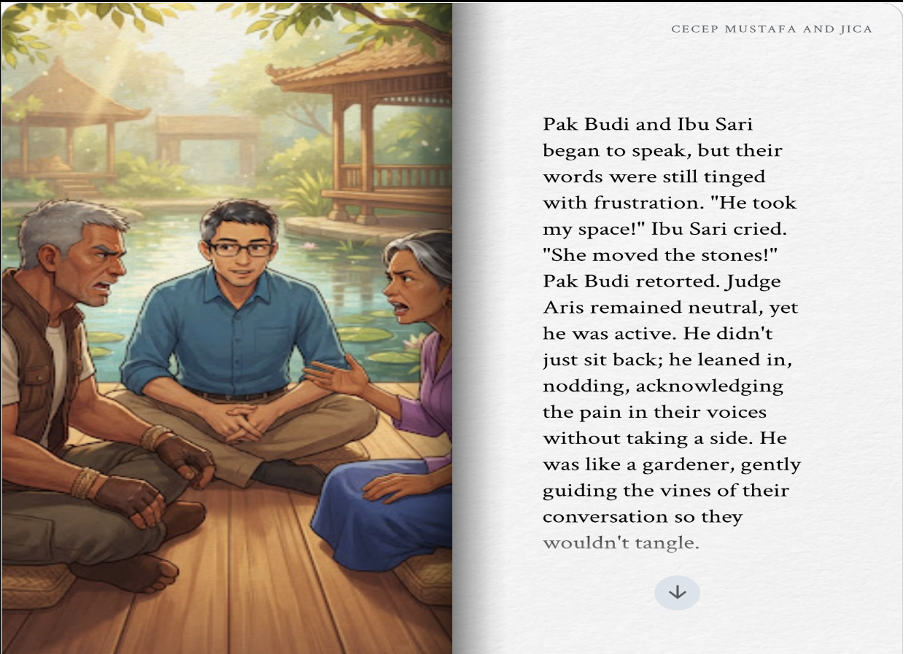
At the same time, the setting aside of an arbitral award within the framework of the New York Convention is fundamentally concerned with serious procedural defects rather than providing an opportunity for the court to reconsider the merits of the dispute as if the arbitration had never taken place.

This principle matters for the design of dispute-resolution systems: an alternative mechanism loses much of its meaning if, after the process is completed, the parties must simply repeat the entire dispute in another forum.

Arbitration needs finality.

But finality requires a procedure that people can trust.

Judicial supervision should therefore function as a safety valve, rather than as a back door through which the substantive merits of the case are effectively reheard.

From Experience to Reform of Indonesian Civil Procedure

These observations lead to a more practical question: what can we adapt to Indonesian civil procedure?

I see several directions that could be considered in the development of a RaPerMA.
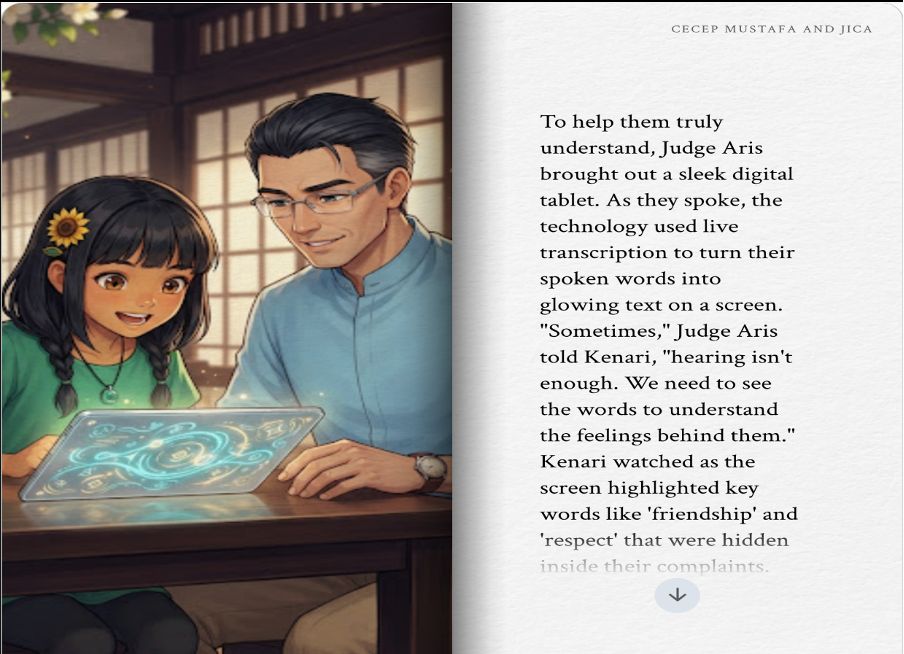
First, the Pre-Trial Case Management Conference should be strengthened as a genuine case-management mechanism. Judges should not merely determine the date of the next hearing. Together with counsel, they should identify the issues, determine the stages of evidence, establish a case calendar, and actively manage the progress of the case.

Second, the exchange of documents needs greater discipline. The complaint, answer, reply, and rejoinder should not develop into an endless exchange of written submissions. Relevant documentary evidence and written witness statements could be submitted at an early stage so that hearings can focus on the issues that are genuinely disputed.

Third, we need to take time management more seriously. A chess-clock system, for example, offers a simple idea: courtroom time is a shared institutional resource. If each party is given clear limits for witness examination, submissions, and responses, proceedings can become more disciplined without diminishing the right to be heard.

Baca Juga  Membedah Rahasia Keberhasilan Wakai dan Chotei untuk Mediasi Indonesia

Fourth, digital court technology should not be viewed merely as a solution for situations in which someone cannot appear physically. It can become part of the procedural architecture itself.

Real-time transcription, remote witness examination, digital evidence management, and searchable hearing records can help judges maintain continuity in their understanding of a case.

Ultimately, good technology is not technology that merely makes a court look modern. Good technology is technology that makes proceedings easier to trace, more accountable, and easier for the people who use them to understand.

Affordable Technology Does Not Mean Careless Technology

This is where the use of open-source technology becomes particularly interesting.
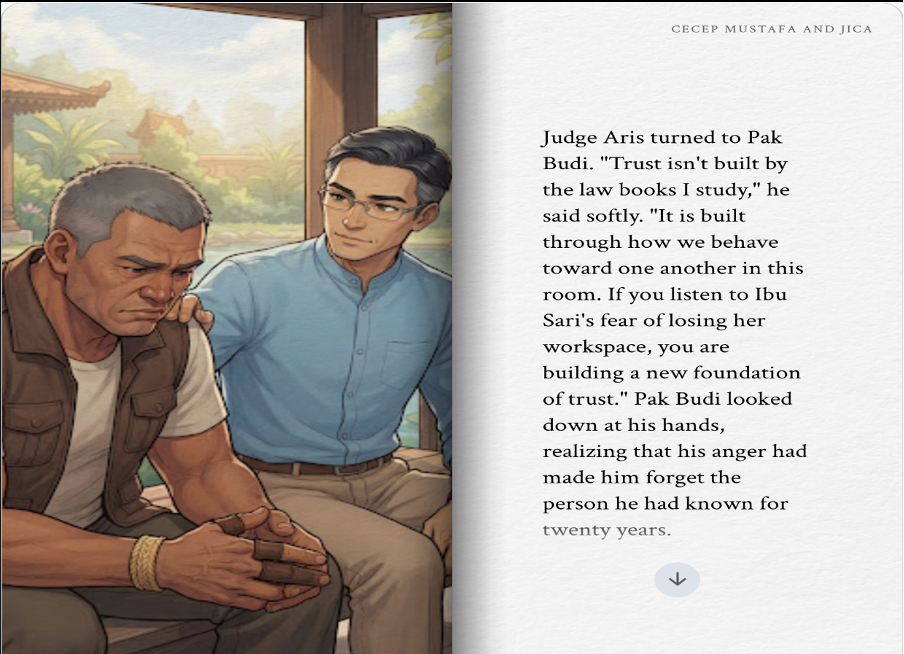
For remote witness examination, platforms such as Jitsi Meet and BigBlueButton demonstrate that courts do not necessarily have to depend on expensive commercial platforms. They can be developed or self-hosted, allowing institutions greater control over their infrastructure and data.

For transcription and courtroom note-taking, approaches such as CaseMark Court Transcriber, Thurgood, Meeting Scribe, Kuali, and speaker-diarization models such as rd-diarization point toward another possibility: a hearing record does not have to remain simply as an audio or video file stored on a server.

It can become searchable, traceable, and analyzable legal knowledge.

Imagine a judge returning to an old case several years later. Instead of watching hours of recorded proceedings simply to locate one important piece of testimony, the judge could search for a witness’s name, a particular issue, or a specific part of the examination, and then return to the original recording for verification.

At that point, technology does not replace the judge.

Technology helps the judge remember better.

From Chōtei Toward a More Humane Judiciary

Ultimately, the greatest lesson of Chōtei is not a particular procedure that can simply be copied and transplanted into Indonesia.
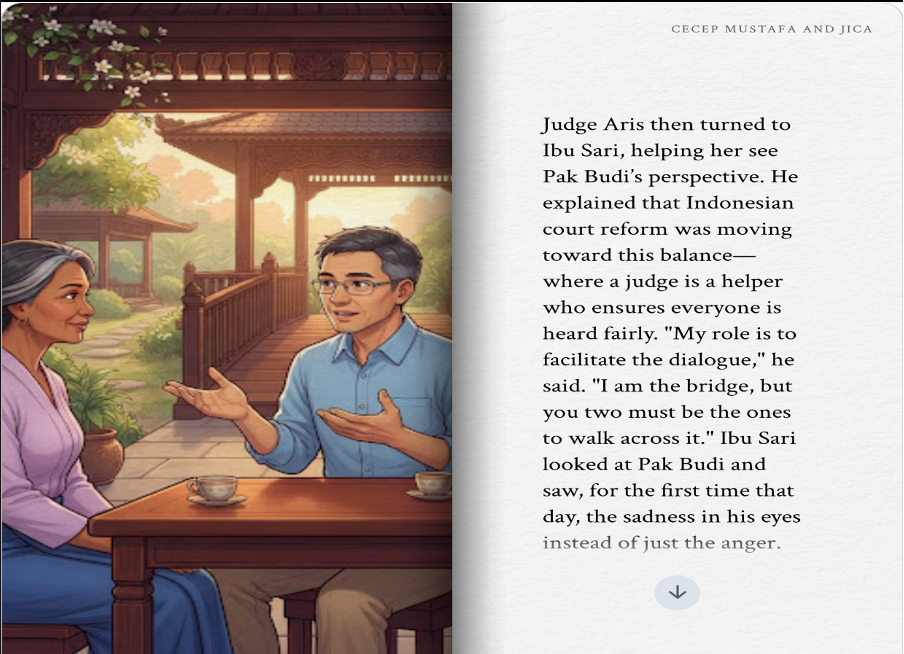
What matters more is the way of thinking behind it.

A judiciary does not always have to choose between legal firmness and a humane approach. The two can coexist. Judges can preserve neutrality without becoming passive. Courts can preserve legal certainty without losing empathy.

Technology should also be understood within the same framework.
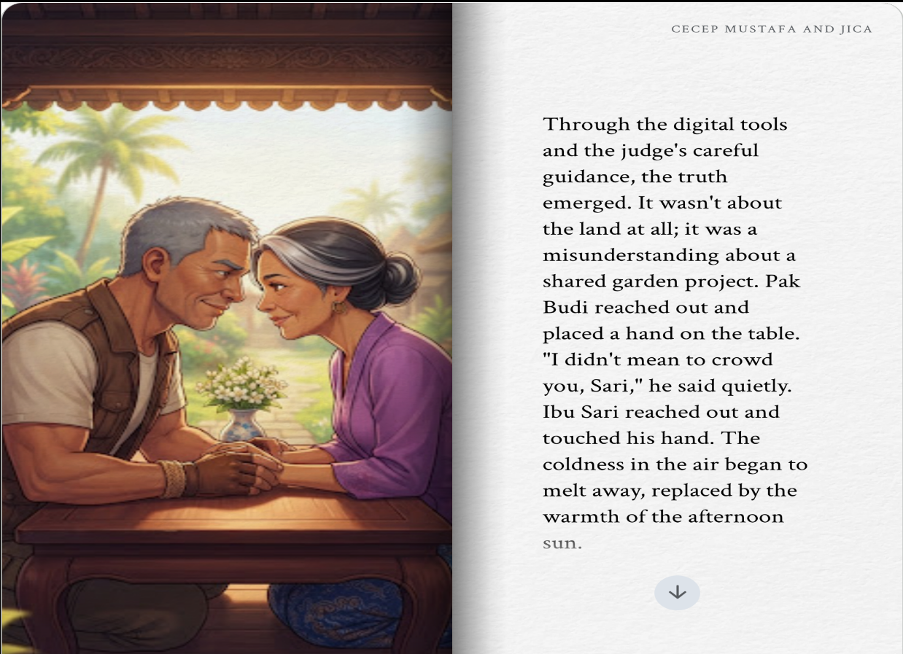
We do not need technology simply because technology is fashionable. We need technology when it helps people do something that was previously difficult: listen more carefully, record more accurately, understand a case more quickly, and ultimately help the parties find a way forward.

Perhaps this is the simplest meaning of compassionate justice.

Justice does not always begin when the judge strikes the gavel.
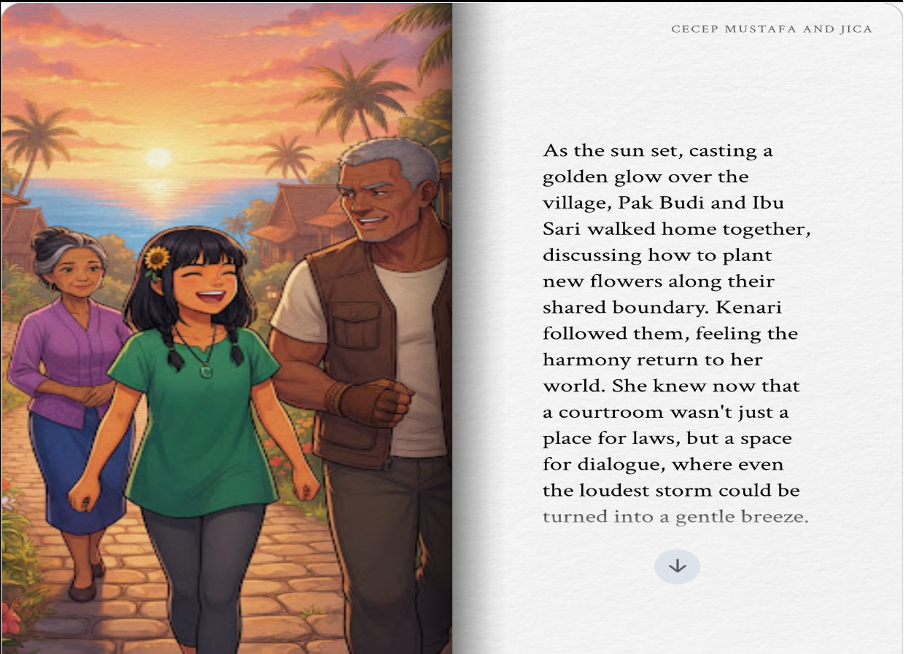
Sometimes, justice begins when one person is given the opportunity to speak, another person genuinely listens, and the court creates enough space for both to discover the possibility of reconciliation.

That is where Chōtei offers a lesson that goes far beyond procedure.

It reminds us that a court is not only a place where conflicts are brought to an end. It can also be a place where people learn to approach conflict differently.
Cecep Mustafa
Kontributor
Cecep Mustafa
Hakim Yustisial Badan Strajak Diklat Kumdil

Untuk Mendapatkan Berita Terbaru Suara BSDK, Follow Channel WhatsApp: SUARABSDKMARI

Chotei Courtroom Jepang JICA
Share. Facebook Twitter Threads Telegram WhatsApp Copy Link

Related Posts

Mendudukkan Nafkah Maskan dalam Kesatuan Nafkah Iddah

October 16, 2026

Ketika Buku II 2026 Membuka Potensi Problem Yuridis bagi Perlindungan Anak

October 16, 2026

Menggagas Rumah Aman bagi Hakim di Tengah Tuntutan Profesionalisme dan Beban Psikologis Peradilan

October 16, 2026
Leave A Reply Cancel Reply


Demo
Top Posts

Belajar Keadilan Iklim dari Secangkir Kopi: Setiap Daerah Punya Cerita, Alam Punya Keunikan

October 15, 2026

Di mana Kesaktian Pancasila Diuji?

October 1, 2026

Senja di Losari dengan Secangkir Saraba dan Sepiring Pisang Epe

September 16, 2026

Siasat Tiada Henti Penjaga Keadilan

September 13, 20261,617 Views
Don't Miss

Hakim Wasmat PN Pulang Pisau Sambangi Rutan Kuala Kapuas, Libatkan Lintas Institusi

By Cok Istri Bhagawanthi PemayunOctober 16, 20260

Kuala Kapuas, 16 Oktober 2026 — Hakim Pengawas dan Pengamat (Wasmat) Pengadilan Negeri Pulang Pisau…

From the Courtroom to a Space for Dialogue

October 16, 2026 · 17:00 WIB

Pelatihan Juru Bicara Pengadilan Ditutup: 40 Orang Juru Bicara Pengadilan Berkompeten Siap Menjadi “Boundary Spanner” untuk Pengadilan dan Publik

October 16, 2026

Mendudukkan Nafkah Maskan dalam Kesatuan Nafkah Iddah

October 16, 2026
Stay In Touch
  • YouTube
  • TikTok
  • WhatsApp
  • Twitter
  • Instagram
Top Trending
Demo

Recent Posts

  • Hakim Wasmat PN Pulang Pisau Sambangi Rutan Kuala Kapuas, Libatkan Lintas Institusi
  • From the Courtroom to a Space for Dialogue
  • Pelatihan Juru Bicara Pengadilan Ditutup: 40 Orang Juru Bicara Pengadilan Berkompeten Siap Menjadi “Boundary Spanner” untuk Pengadilan dan Publik
  • Mendudukkan Nafkah Maskan dalam Kesatuan Nafkah Iddah
  • Percepat Penyelesaian Perkara, Pengadilan Militer IV-16 Balikpapan Gelar Sidang Keliling di Samarinda

Recent Comments

  1. PrP on Kajian Green Victimology Sebagai Pendekatan Perlindungan Hukum Korban Kebakaran Hutan di Indonesia
  2. Grace Hall on Abhinaya Upangga Wisesa: Ketika Kerja Sunyi Menjadi Penjaga Martabat Peradilan
  3. Abdul Mustopa on Membedah Rahasia Keberhasilan Wakai dan Chotei untuk Mediasi Indonesia
  4. H. Moh. Nasri on Kode Etik dan Pedoman Perilaku Hakim Sebagai Pembelajaran Diklat Pertama di Hari Pertama
  5. H. Moh. Nasri on Bedah Kasus di Akhir Kursus: Diklat Teknis Yudisial Dispensasi Kawin Telah Sampai pada Intinya
Hubungi Kami

Badan Strategi Kebijakan dan Pendidikan dan Pelatihan Hukum dan Peradilan Hukum dan Peradilan
Mahkamah Agung RI

Kantor: Jl. Cikopo Selatan Desa Sukamaju, Kec. Megamendung
Bogor, Jawa Barat 16770

Kirimkan reportase berita, opini, features dan artikel lainnya ke email suarabsdk.com : 
redpelsuarabsdk@gmail.com

Telepon: (0251) 8249520, 8249522, 8249531, 8249539

Kategori
Beranda Artikel Berita Features Sosok KRITERIA TULISAN
Filsafat Roman Satire Video BALACADAS
Connect With Us
  • Instagram
  • YouTube
  • WhatsApp
Aplikasi Internal
Logo 1 Logo 2 Logo 3 Logo 3 Logo 5
Logo 4 Logo 4 Logo 4 Logo 5 Logo 5 Logo 5
Kontributor
  • Avatar photo Ahmad Junaedi
  • Avatar photo Mohammad Khairul Muqorobin
  • Avatar photo Aman
  • Avatar photo Irvan Mawardi
  • Avatar photo Cecep Mustafa
  • Avatar photo Ari Gunawan
  • Avatar photo Khoiruddin Hasibuan
  • Avatar photo Yudhistira Ary Prabowo
  • Avatar photo Muamar Azmar Mahmud Farig
  • Avatar photo Syailendra Anantya Prawira
  • Avatar photo Ghesa Agnanto Hutomo
  • Avatar photo Muhammad Rizqi Hengki
  • Avatar photo Johanes
  • Avatar photo Agus Digdo Nugroho
  • Avatar photo Timbul Bonardo Siahaan
  • Avatar photo Syamsul Arief
  • Avatar photo Dahlan Suherlan
  • Avatar photo Jatmiko Wirawan
  • Avatar photo Muhammad Adiguna Bimasakti
  • Avatar photo Cik Basir
  • Avatar photo Syihabuddin
  • Avatar photo Taufikurrahman
  • Avatar photo Zulfahmi
  • Avatar photo Maria Fransiska Walintukan
  • Avatar photo Unggul Senoaji
  • Avatar photo Anton Ahmad Sogiri
  • Avatar photo Abdi Munawar Daeng Mangagang
  • Avatar photo Adji Prakoso
  • Avatar photo M. Natsir Asnawi
  • Avatar photo Yoshito Siburian
  • Avatar photo Sriti Hesti Astiti
  • Avatar photo Abdul Azis Ali Ramdlani
  • Avatar photo Bintoro Wisnu Prasojo
  • Avatar photo Iqbal Lazuardi
  • Avatar photo Galang Adhe Sukma
  • Avatar photo Harun Maulana
  • Avatar photo Layla Windy Puspita Sari
  • Avatar photo Muhammad Hanif Ramadhan
  • Avatar photo Ahmad Syahrus Sikti
  • Avatar photo Anisa Yustikaningtiyas
  • Avatar photo Binsar Parlindungan Tampubolon
  • Avatar photo Ganjar Prima Anggara
  • Avatar photo I Gusti Lanang Ngurah Sidemen Putra
  • Avatar photo Eliyas Eko Setyo
  • Avatar photo Firzi Ramadhan
  • Avatar photo Itsnaatul Lathifah
  • Avatar photo Jarkasih
  • Avatar photo Sudiyo
  • Avatar photo Afifah Dwiandini
  • Avatar photo Febby Fajrurrahman
  • Avatar photo Garin Purna Sanjaya
  • Avatar photo Marulam J Sembiring
  • Avatar photo Tri Indroyono
  • Avatar photo Letkol Chk Agustono, S.H., M.H.
  • Avatar photo Ardiansyah Iksaniyah Putra
  • Avatar photo Buang Yusuf
  • Avatar photo Ferdian Permadi
  • Avatar photo Irene Cristna Silalahi
  • Avatar photo Marsudin Nainggolan
  • Avatar photo Maulana Aulia
  • Avatar photo Muhammad Zuchri Nasuha Lubis
  • Avatar photo Riki Perdana Raya Waruwu
  • Avatar photo Siti Nadhiroh
  • Avatar photo Dr. Syofyan Iskandar, S.H., M.H.
  • Avatar photo Muhamad Zaky Albana
  • Avatar photo Henri Setiawan
  • Avatar photo Irwan Rosady
  • Avatar photo Khoiriyah Roihan
  • Avatar photo Redaktur SuaraBSDK
  • Avatar photo Yasin Prasetia
  • Avatar photo Audrey Kartika Putri
  • Avatar photo Cok Istri Bhagawanthi Pemayun
  • Avatar photo Eddy Daulatta Sembiring
  • Avatar photo Fauzan Prasetya
  • Avatar photo Fitriyel Hanif
  • Avatar photo Gerry Michael Purba
  • Avatar photo K.G. Raegen
  • Avatar photo Rafi Muhammad Ave
  • Avatar photo Rangga Lukita Desnata
  • Avatar photo Rikatama Budiyantie
  • Avatar photo Sugiarto
  • Avatar photo Teguh Setiyawan
  • Avatar photo Achmad Fikri Oslami
  • Avatar photo Ahmad Fuad Noor Ghufron
  • Avatar photo Achmad Nurul Huda
  • Avatar photo Andro Riski Pradipta
  • Avatar photo Anggi Permana
  • Avatar photo Ang Rijal Amin
  • Avatar photo Armansyah
  • Avatar photo Dedi Putra
  • Avatar photo Dewi Maharati
  • Avatar photo Edi Hudiata
  • Avatar photo Gerry Geovant Supranata Kaban
  • Avatar photo Herjuna Praba Wiesesa
  • Avatar photo Hermanto
  • Avatar photo Indarka PP
  • Avatar photo Muhamad Fadillah
  • Avatar photo Nugraha Medica Prakasa
  • Avatar photo Ria Marsella
  • Avatar photo Sadana
  • Avatar photo Sahram
  • Avatar photo Saut Erwin Hartono A. Munthe
  • Avatar photo Silveria Supanti
  • Avatar photo Yusuf Sodhiqin
  • Avatar photo Achmad Pratomo
  • Avatar photo Dr. H. Achmad Setyo Pudjoharsoyo., SH., M.Hum
  • Avatar photo Agenda Citra Muhammad
  • Avatar photo Ahmad Faiz Shobir Alfikri
  • Avatar photo Arie Fitriansyah
  • Avatar photo Bagus Partha Wijaya
  • Avatar photo Bismo Jiwo Agung
  • Avatar photo David Pasaribu
  • Avatar photo Epri Wahyudi
  • Avatar photo Fajar Widodo
  • Avatar photo Fariz Prasetyo Aji
  • Avatar photo Fauzan Arrasyid
  • Avatar photo Fauzia Rohmah
  • Avatar photo Febry Indra Gunawan Sitorus
  • Avatar photo Hartanto Ariesyandi
  • Avatar photo Mardi Candra
  • Avatar photo Muhammad Irfan Syahputra
  • Avatar photo Muhammad Amin Putra
  • Avatar photo Niko Wijaya
  • Avatar photo Putra Nova A.S
  • Avatar photo Raden Heru Wibowo Sukaten
  • Avatar photo Rizal Arif Fitria
  • Avatar photo Trisoko Sugeng Sulistyo
  • Avatar photo Umar Dani
  • Avatar photo Wahyu Budi Santoso
  • Avatar photo Abdul Hadi
  • Avatar photo Abiandri Fikri Akbar
  • Avatar photo Abi Zaky Azizi
  • Avatar photo Adimas Leo Firmansah
  • Avatar photo Ahmad Farhan Subhi
  • Avatar photo Andi Akram
  • Avatar photo Anggiyansyah Nurmanta
  • Avatar photo Arsyawal
  • Avatar photo Ashhab Triono
  • Avatar photo Aulia Rochmani Lazuardi
  • Avatar photo Bagus Sujatmiko
  • Avatar photo Bayu Akbar Wicaksono
  • Avatar photo Chandra Khoirunnas
  • Avatar photo Cuhandi
  • Avatar photo Deka Rachman Budihanto
  • Avatar photo Dendi Sutiyoso
  • Avatar photo Dharma Setiawan Negara
  • Avatar photo Dhea Sutaryana
  • Avatar photo Enrico Simanjuntak
  • Avatar photo Fadhilah Fauzan, S.H.
  • Avatar photo Fahri Gunawan Siagian
  • Avatar photo Fauziah Rahmah
  • Avatar photo Fery Rochmad Ramadhan
  • Avatar photo Ida Masnita Sigalingging
  • Avatar photo Idik Saeful Bahri
  • Avatar photo Imaniar
  • Avatar photo Karell Mawla Ibnu Kamali
  • Avatar photo Khalilurrahman
  • Avatar photo Khoirul Anwar
  • Avatar photo Mentari Wahyudihati
  • Avatar photo Misbah
  • Avatar photo Muhamad Ridwan
  • Avatar photo Muhamad Iqbal
  • Avatar photo Nia Chasanah
  • Avatar photo Novritsar Hasintongan Pakpahan
  • Avatar photo Nugraha Wisnu Wijaya
  • Avatar photo Pandu Pradana Wicaksono, S.H.
  • Avatar photo Raden Anggara Kurniawan
  • Avatar photo Rahimulhuda Rizki Alwi
  • Avatar photo Rahmad Ramadhan Hasibuan
  • Avatar photo Ranggi Adiwangsa Yusron
  • Avatar photo Rifda Aprilia Rusfayanti
  • Avatar photo Muhammad Rijaldy Alwy
  • Avatar photo Rohim
  • Avatar photo Romi Hardhika
  • Avatar photo Samsul Zakaria
  • Avatar photo Satria Perdana
  • Avatar photo Siti Anis
  • Avatar photo Sri Nurmina Sari
  • Avatar photo Stefanus Dwi Putra Medisa
  • Avatar photo Sugiri Wiryandono
  • Avatar photo Tri Cahya Indra Permana
  • Avatar photo Wilmar Ibni Rusydan
  • Avatar photo Yudhi Reksa Perdana
  • Avatar photo Abdul Ghani
  • Avatar photo Ach. Jufri
  • Avatar photo Achmad Cholil
  • Avatar photo Adhlan Fadhilla Ahmad
  • Avatar photo Afif Muchshon
  • Avatar photo Agus Suharsono
  • Avatar photo Ahmad Efendi
  • Avatar photo Ahmad Hodri
  • Avatar photo Ahmad Rikfi Fuadi
  • Avatar photo Ahmad Rizza Habibi
  • Avatar photo Aidil Akbar
  • Avatar photo Alep Priyoambodo
  • Avatar photo Alfajar Nugraha
  • Avatar photo Andi Amirah Humairah Ya'kub
  • Avatar photo Anang Riyan Ramadianto
  • Avatar photo Anderson Peruzzi Simanjuntak
  • Avatar photo Andhika Prayoga
  • Avatar photo Andi Muhammad Galib
  • Avatar photo Andi Aswandi Tashar
  • Avatar photo Andrie Gunawan
  • Avatar photo Anna Yulina
  • Avatar photo Annisa Nur Alam
  • Avatar photo Arga Febrian
  • Avatar photo Ariansyah
  • Avatar photo Arief Sapto Nugroho
  • Avatar photo Mayor Chk Arif Dwi Prasetyo
  • Avatar photo Aryaniek Andayani
  • Avatar photo Azalia Purbayanti Sabana
  • Avatar photo Bella Puspitawati
  • Avatar photo Bellina Gamelia Sembiring Kembaren
  • Avatar photo Bilma Diffika
  • Avatar photo Bony Daniel
  • Avatar photo Budi Hermanto
  • Avatar photo Budi Suhariyanto
  • Avatar photo Chandra
  • Avatar photo Christopher Hutapea
  • Avatar photo Daniel H. Napitupulu
  • Avatar photo Daniel Saputra
  • Dedi Wigandi
  • Avatar photo Devita Aulia
  • Avatar photo Djoni Witanto
  • Avatar photo Effendi Mukhtar
  • Avatar photo Egia Rasido Tarigan
  • Avatar photo Eka Sentausa
  • Avatar photo Enos Syahputra Sipahutar, S.H., M.H.
  • Avatar photo Dr. Fahmiron
  • Avatar photo Fahri Bachmid
  • Avatar photo Fahri Soleh
  • Avatar photo Fakhir Tashin Baaj
  • Avatar photo Farhan Al Faris
  • Avatar photo Fatkul Mujib, S.H.I., M.H.
  • Avatar photo Dr. Fauziati, S.Ag., M.Ag
  • Avatar photo Febriansyah Rozarius
  • Avatar photo Friska Ariesta Aritedi
  • Avatar photo Gineng Pratidina
  • Avatar photo Hanry Ichfan Adityo
  • Avatar photo Peltu Hartono
  • Avatar photo Hastuti
  • Avatar photo Hendro Yatmoko
  • Avatar photo Ibnu Abas Ali
  • Avatar photo I Made Sukadana
  • Indra Tua Hasangapon Harahap
  • Avatar photo Ira Soniawati
  • Avatar photo Irfan Dibar
  • Avatar photo Muhammad Irfansyah
  • Avatar photo Letkol Kum Irwan Tasri, S.H., M.H., M.Han.
  • Avatar photo Iwan Lamganda Manalu
  • Avatar photo Jerymia Seky Tanaem
  • Avatar photo Jimmy Maruli Alfian
  • Avatar photo Jusran Ipandi
  • Avatar photo Khaimi
  • Avatar photo Khoerul Umam
  • Avatar photo Linora Rohayu
  • Avatar photo Made Passek Reza Swandira
  • Avatar photo Marta Satria Putra
  • Avatar photo Marwan Ibrahim Piinga
  • Avatar photo Marwanto
  • Avatar photo Marzha Tweedo Dikky Paraanugrah
  • Avatar photo Maulia Martwenty Ine
  • Avatar photo Mira Maulidar
  • Avatar photo Misbahul Anwar
  • Avatar photo Muhamad Ilham Azizul Haq
  • Avatar photo Muhamad Saptari
  • Avatar photo Muhammad Fadllullah
  • Avatar photo Muhammad Muhyi Arrasyid, S.Psi.
  • Avatar photo Muhammad Bagus Tri Prasetyo
  • Avatar photo Muhammad Yusuf
  • Avatar photo Murdian
  • Avatar photo Nadia Yurisa Adila
  • Avatar photo Nisrina Irbah Sati
  • Avatar photo Novtri Nelli
  • Avatar photo Letkol CHK Nur Sakdi, S.H, M.H.
  • Avatar photo Nur Latifah Hanum
  • Avatar photo Piput Milandsari
  • Avatar photo Pita Permatasari
  • Avatar photo H .A.S Pudjoharsoyo
  • Avatar photo Putri Pebrianti
  • Avatar photo R. Deddy Harryanto
  • Avatar photo Radityo Muhammad Harseno
  • Avatar photo Rahmi Fattah
  • Avatar photo Randy Viyatadhika
  • Avatar photo Ratih Gumilang
  • Avatar photo Reindra Jasper H. Sinaga, S.H. Hakim Pengadilan Negeri Tanjung Balai Karimun
  • Avatar photo Reza Kresna Adipraya
  • Avatar photo Peltu Ricko Rikardo, S.H
  • Avatar photo Muh Ridha Hakim
  • Avatar photo Rifqi Qowiyul Iman
  • Avatar photo Rizal Abdurrahman
  • Avatar photo Robiatul Adawiyah, S.H., M.H.
  • Avatar photo Penulis adalah Filsuf - Analis Politik dan Kebangsaan
  • Avatar photo Rudi Hartoyo
  • Avatar photo Sandro Imanuel Sijabat
  • Avatar photo Sbong Sinarok Martin, S.H., M.H.
  • Avatar photo Selexta Apriliani
  • Avatar photo Septia Putri Riko
  • Avatar photo Septriono Situmorang
  • Avatar photo Slamet Turhamun
Lihat semua kontributor →

Type above and press Enter to search. Press Esc to cancel.