



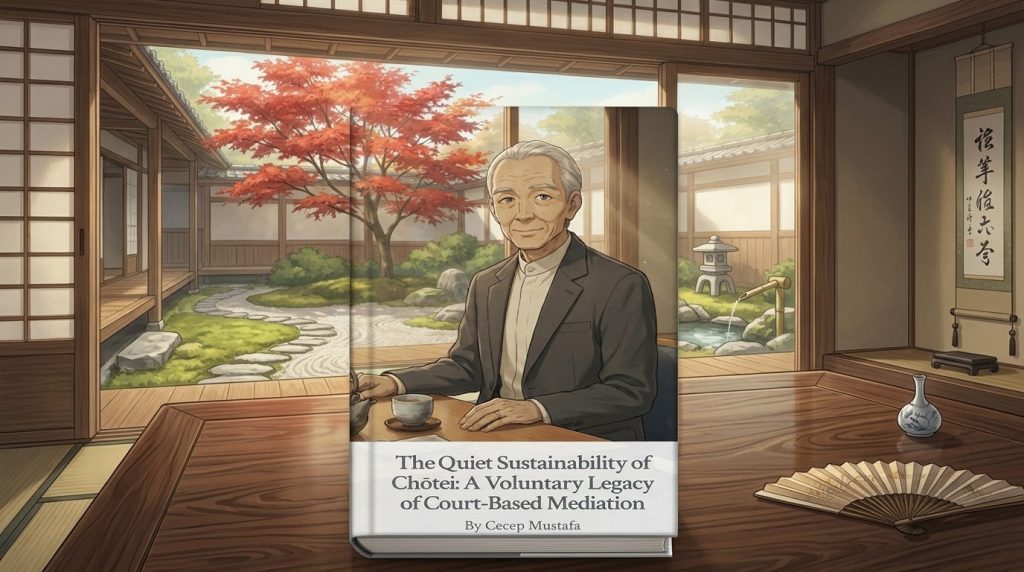
in co-creation with JICA
One of the things I have come to appreciate through this learning journey with JICA is that the sustainability of Chōtei is not found only in its legal framework or institutional structure. It is also found in its people.
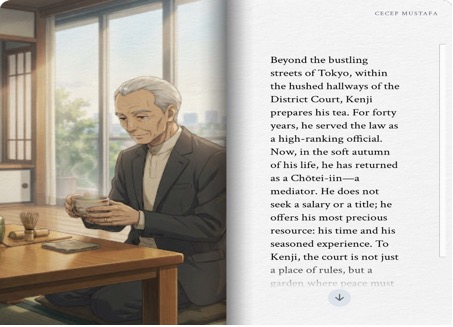
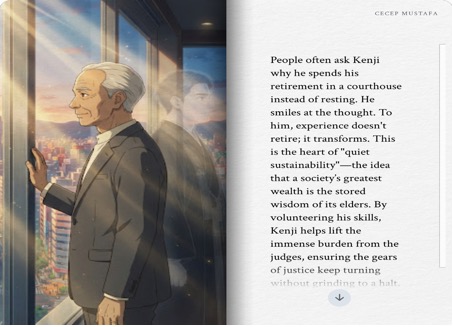
Many Chōtei panel members are retirees, or people who are no longer engaged in regular employment, yet they continue to participate voluntarily because they have a genuine passion for helping people resolve disputes. Their contribution reminds me that retirement does not necessarily mean the end of public service. Sometimes, professional experience simply finds a different place to serve.
In Chōtei, experience is brought back to the table.
This is particularly meaningful when we consider the reality faced by courts. Courts inevitably receive more disputes than judges and court personnel can comfortably resolve through full adjudication. Every case that proceeds through the entire litigation process requires time, judicial attention, administrative resources, and institutional energy.
Perhaps, therefore, the question is not simply how courts can process more cases.
The more interesting question is: which disputes really need a judgment, and which disputes might be better served by a structured process of dialogue and agreement?
Here Chōtei offers an important perspective.
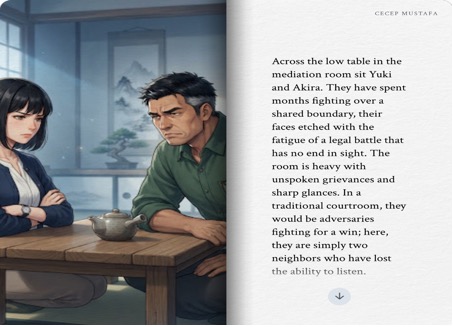
When a dispute can be resolved through Chōtei, the parties may obtain something that a judgment cannot always provide: an agreement that they themselves have helped construct. At the same time, the court can preserve its limited adjudicative capacity for disputes that genuinely require authoritative determination.
This is not about replacing adjudication with mediation.
It is about understanding that justice has more than one institutional pathway.
At the same time, the Japanese experience also reminds us that efficiency should not become an excuse for disregarding party autonomy. There are circumstances in which a court may have the authority to refer a matter to Chōtei, but that authority inevitably raises a question of legitimacy: what happens when the parties came to court precisely because they wanted a judgment?
The concern becomes even stronger when a case has already progressed substantially. Once the issues have been identified and the evidence has been organized, the parties may reasonably expect the court to move toward adjudication. At that stage, shifting the dispute into Chōtei without sufficient regard to the parties’ views can create a tension between institutional efficiency and procedural fairness.
That tension is important.
A well-functioning justice system should be efficient, but efficiency must remain connected to legitimacy. The court should not merely ask, “Can this case be settled?” It should also ask, “Is settlement still appropriate at this stage, and do the parties meaningfully accept that pathway?”
For me, this is one of the most valuable lessons emerging from the JICA learning experience.
The sustainability of Chōtei may depend not only on formal regulation, but also on a culture of voluntary participation. Retired professionals and others who continue to serve because they believe in Chōtei represent a form of institutional memory that cannot easily be written into a regulation.
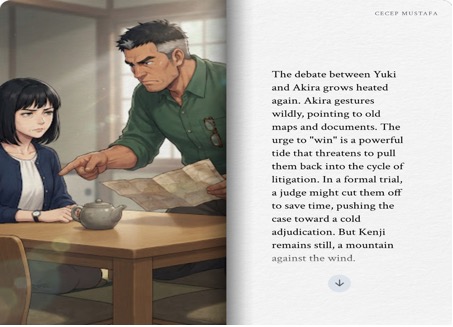
They carry something more than technical knowledge.
They carry patience, experience, social understanding, and perhaps the wisdom to recognize that not every conflict needs to end with one side winning and the other losing.
There is also a practical lesson for Indonesia.
When our courts face increasing caseloads, the answer may not always be another layer of bureaucracy or simply asking judges to work faster. We may need to think more creatively about how judicial capacity can be expanded through trusted community participation, experienced volunteers, and court-connected dispute resolution.
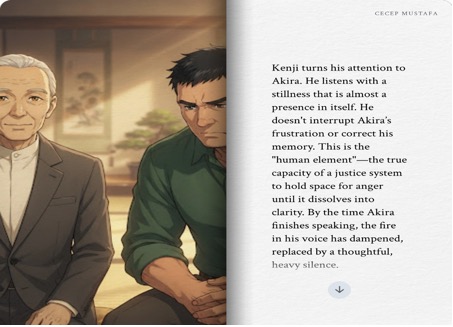
Sometimes, institutional innovation does not begin with a new technology.
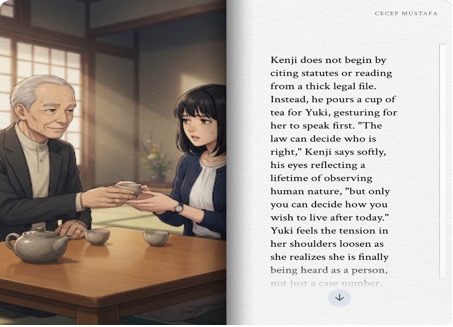
Sometimes it begins with an experienced person sitting around a table and saying, quite simply:
“Let us first see whether the parties can find a way forward.”
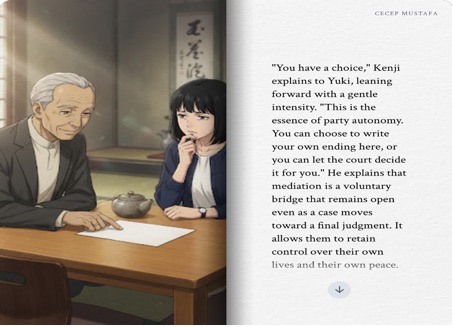
That, perhaps, is the quiet strength of Chōtei.
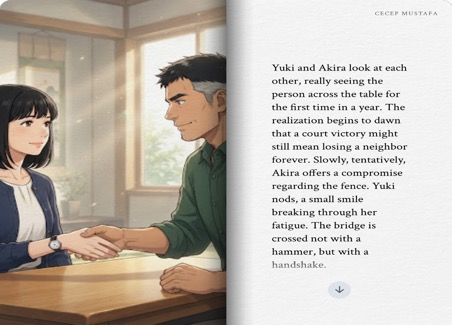
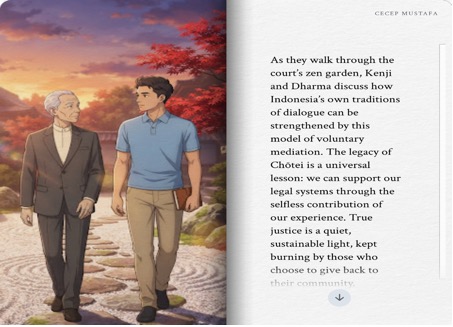
And that is one of the ideas I take from learning with JICA: justice is sustainable when institutions are supported not only by rules, but also by people who continue to believe that the work is worth doing.

Untuk Mendapatkan Berita Terbaru Suara BSDK, Follow Channel WhatsApp: SUARABSDKMARI